
UDC Contract-Bed Release Paths
Utah Department of Corrections uses participating county jails to house some people committed to state custody. The network is not one facility with one public address. A Grand County defendant can therefore be physically held in a county jail yet remain a UDC case. The county building manages day-to-day confinement under the arrangement, but the Utah Board of Pardons and Parole and UDC supply the controlling state release records.
This split matters at release. A county roster entry may disappear because of transport to another jail, a state prison, or centralized release processing. It cannot by itself show parole, sentence expiration, or discharge. The state record must distinguish an inmate, parolee, probationer, or other UDC legal status, while a Board order shows the decision behind a planned parole.
| Question | County-jail source | State source |
|---|---|---|
| Where is the person confined? | Current roster or facility staff may show the physical bed | UDC facility location can confirm state placement |
| Who controls release? | Not the ordinary local release route for a UDC inmate | Board decision and UDC operations |
| Where will release occur? | Rare local release requires direct notice | Most contract-bed releases are processed at USCF |
| Has supervision ended? | Local roster cannot answer | UDC termination or Board discharge record |
Confirm a Contract-Bed Release
Start with the UDC Offender Search. It accepts a UDC offender number or name, and name search requires at least one letter in both first and last name. The public tool covers people currently incarcerated by UDC and people now on parole or probation. It does not cover an ordinary unsentenced county detainee, and a fully discharged former state prisoner may no longer appear.
Search results must be read carefully. The observed interface can show offender number, name, date of birth, location, confinement facility, and “Release Date/Type.” Legal status is more important than the building name. A person may be held in a county jail but remain a state inmate, or may be in the community as a parolee and remain searchable because supervision continues.
- Obtain the UDC number from the committing case, prior record, or agency when possible.
- Search the number, then use the full name and compare date of birth and court details.
- Read the legal status and placement fields as separate facts.
- Search the Utah Board's published hearings and decisions for the release order.
- Ask the confining jail or UDC case manager which release logistics apply to the specific placement.
- Request UDC termination or expiration records if the current-only public profile is gone.
The Grand County release-record path helps connect the local booking number and committing court case to the later UDC offender number.
USCF Contract-Bed Release Point
The UDC Release Day instructions state that paroles and releases are processed every Tuesday at Utah State Correctional Facility. Almost all state prisoners confined in county jails are taken to USCF. UDC describes release from the placement county itself as extremely rare and says family is informed when that exception applies.
Family members picking up a person who had been housed in a county jail are instructed to arrive at the USCF Release Building at 10 a.m. A person without a ride may be transported by staff or volunteers to a nearby UTA TRAX station and released last. If the parole plan is a community correctional center, UDC handles that transport. None of these state instructions sets the process for a local Grand County detainee on bond.
The UDC release source is captured below.
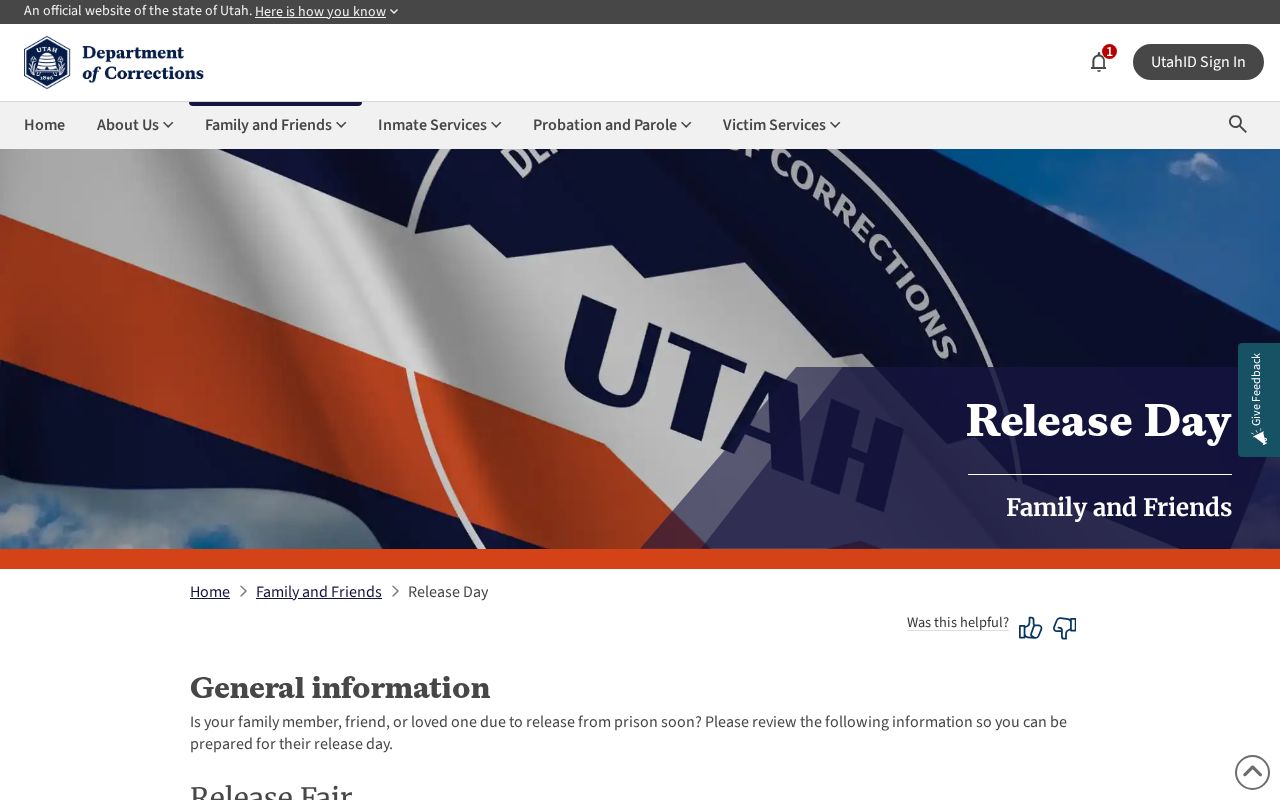
The image documents why a county placement can lead to physical release in Salt Lake City.
Note: Confirm the individual release plan before travel because the published rule allows a rare county-jail exception and dates can change.
Contract Network Records Contact
Because the network spans participating county jails, no single local lobby holds the full record. UDC's Inmate Placement Program is the proper routing point for county-jail placements, and the published number is 801-545-5558. UDC's main facility line is 801-522-7000. Division of Prison Operations is 801-545-5525. The actual confining jail may answer present-location questions, but a durable state release or discharge record belongs with UDC and the Board.
Utah Department of CorrectionsCounty-jail placement network
Inmate Placement Program: 801-545-5558
Division of Prison Operations: 801-545-5525
General main facility line: 801-522-7000
A focused UDC request should identify the offender number, full name, committing court, case number, and known county placement site. Ask for legal status, the dates and type of release, Board action, placement history needed to interpret the event, and the termination or expiration record if supervision ended. For the Board's decision, first use its public search by name or offender number.
The UDC public case-information source describes fields available through case managers and public-information channels.
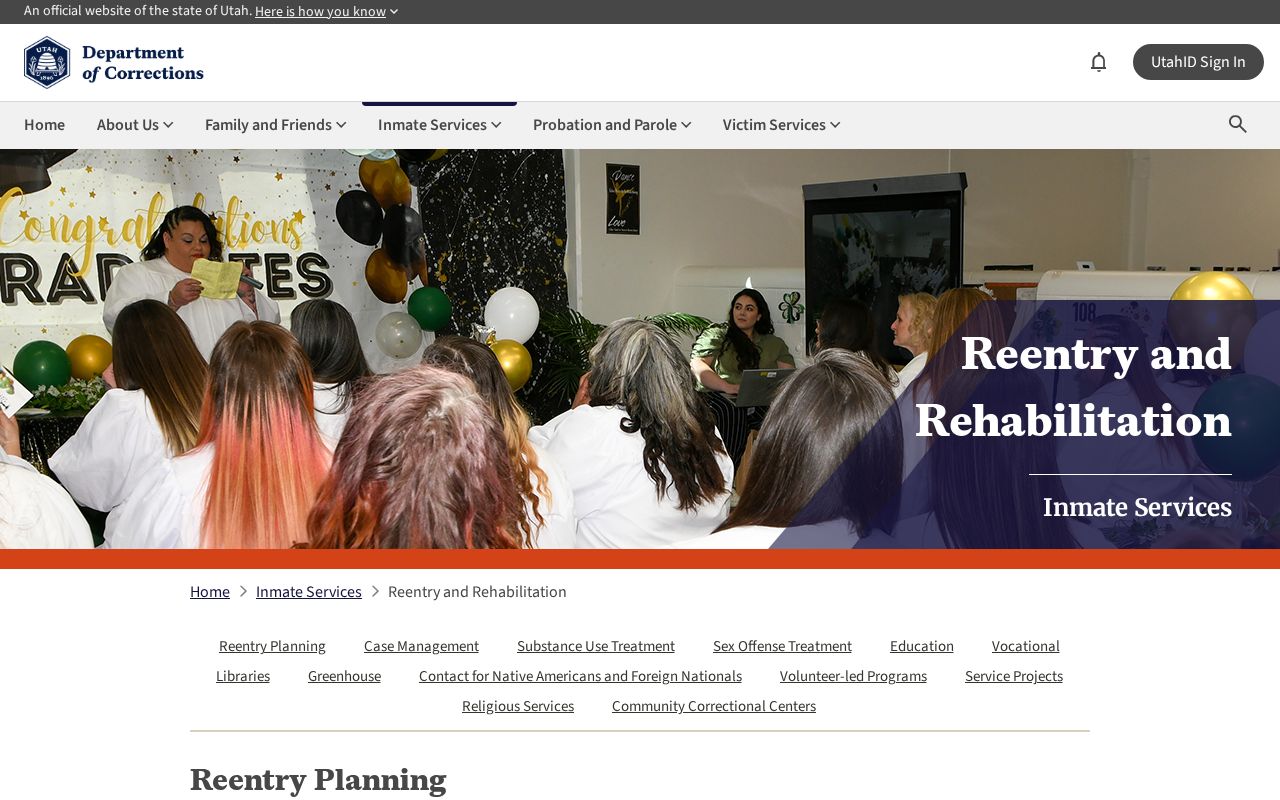
Those fields can bridge a physical county placement to state legal status without treating the county roster as the parole record.
State Release Evidence Labels
Utah uses indeterminate sentencing for state prisoners. The court sets a statutory range, then the Board holds an original hearing and decides whether parole will occur within the lawful term. A Board order may grant a future parole date, set a rehearing, defer action, or later rescind an earlier date. The release plan and any detainer can also affect what happens at the end of confinement.
Use the official terms. A hearing date is not a release date. A parole date is not a sentence-expiration date. Leaving prison for parole does not mean full discharge. A UDC record can list legal status, placement, offense and sentence, Board dates, parole or expiration information, commitment date, committing court, and case number as potentially public items, but the current online display may be narrower.
- Contract bed
- A county-jail space used to house a person who remains in state custody.
- Parole
- Release from prison while UDC supervision and the sentence continue.
- Detainer
- A request or hold that may direct the next custody step.
- Termination
- The recorded end of parole or sentence supervision under the controlling order.
When the public UDC search no longer returns a former parolee, the Board decision and written termination or expiration record become the best sources. Absence can also reflect spelling, a system limit, or a changed status, so it is not proof by itself.
Grand County Custody Handoff
A state sentence that began with a Grand County arrest should leave records in more than one office. The Grand County Sheriff owns the booking and transfer entry. The Utah court owns the judgment and commitment order. UDC owns state custody, placement, and operational release information. The Board owns the parole decision. AP&P owns supervision information after release, within disclosure rules.
Keep identifiers across the handoff. A booking number connects the jail event. The court case number proves the legal commitment. The UDC offender number links state placement and later supervision. Matching only by a common name can join different people or conceal a spelling variation.
If a local record says “transferred to UDC,” do not report community release. Continue with UDC and Board sources. If UDC later shows parole, the person has left prison but remains supervised. If a termination or expiration order follows, that later document supports full discharge. This event-by-event method is especially important in the contract network because the sign over the building may suggest county custody even when state law and records control the case.
Note: Physical place and legal custodian answer different questions throughout a UDC county-jail placement.
Contract-Bed Release Date Limits
A date connected to a contract-bed prisoner must be traced to its label. An original Board hearing date is a review date. A parole or release date reflects intended action under a Board or UDC record. An expiration or termination date concerns the later end of sentence or supervision. The county roster normally cannot distinguish these state milestones.
Utah's earned-time law also resists simple arithmetic. Under §77-27-5.4, qualifying case-action-plan programs can produce specified credits, but exclusions apply when no current release date exists, a contingency remains unmet, transition timing is too short, or other listed sentence conditions control. The Board can address completed work at a hearing and can forfeit credit through the rescission process. There is no universal Utah 85-percent rule for every UDC prisoner.
For the individual case, pair the Board order with the observed UDC “Release Date/Type” field and ask the agency to explain any blank or not-applicable value. Do not import a local jail good-time rule. Grand County has not published a county formula that would govern a UDC prisoner, and state custody does not change merely because the bed is inside a county building.
A family should also check for detainers and the approved release plan. Those facts can direct transport to another custodian or a community correctional center even when the Board has set a date.